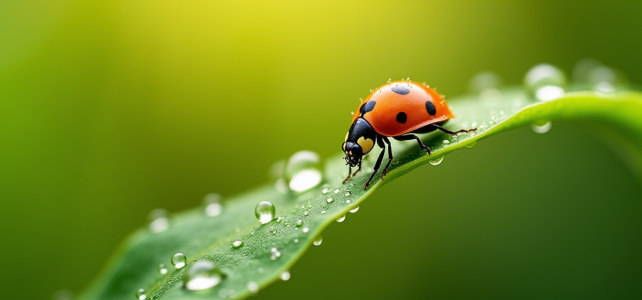
A lacewing consumes aphids but also attacks young tender shoots. Some ladybugs, introduced to combat pests, target local species and disrupt the ecosystem. Solitary bees, discreet, contribute to pollination but are often confused with more aggressive wasps.
Distinguishing beneficial insects from those that threaten biodiversity or crops requires precise markers. Some species are encouraged, while others require increased vigilance to limit their effects on the garden and the environment.
Garden insects: discreet allies or threats to watch out for?
Behind every thicket, an army of insects is at work, alternately allies or adversaries of the gardener. Some make numerous trips between flowers and vegetables, ensuring vigorous pollination. Others, less scrupulous, gnaw at roots and buds, threatening the future of crops without warning. The difference lies in the details: the trained eye spots the elongated shape, bright or dull color, hurried or placid movement.
Beneficial insects, such as hoverflies and adult ladybugs, join this struggle to maintain balance. Their appetites regulate pests through a natural predation that avoids many inconveniences.
Among the unsung heroes, lacewing larvae play a key role in the vegetable garden or under fruit trees: they tirelessly hunt aphids, supporting plant diversity. Ground beetles, on the other hand, patrol at night, eliminating slugs and eggs of other undesirables. But this balance remains fragile. The arrival of new species, the reduction of wildlife habitats, and the normalization of environments disrupt the natural dynamics.
To know where to focus vigilance, one needs a method. The traces left on leaves, galleries, spots, clumps of eggs stuck under a stem do not lie. Let’s take a common case: black and yellow caterpillars, recognizable and feared in gardens. Spotting them early helps prevent their proliferation on plants and allows for informed action, as detailed in the article “Yellow and Black Caterpillars: How to Identify and Get Rid of Them Effectively – Dédé in His Garden.”
Preserving the diversity of garden insects means maintaining this subtle dance between predation and pollination, between pests and auxiliaries. Birds and sometimes certain mammals also lend a hand, participating in the regulation of this microfauna that shapes the future of the garden.
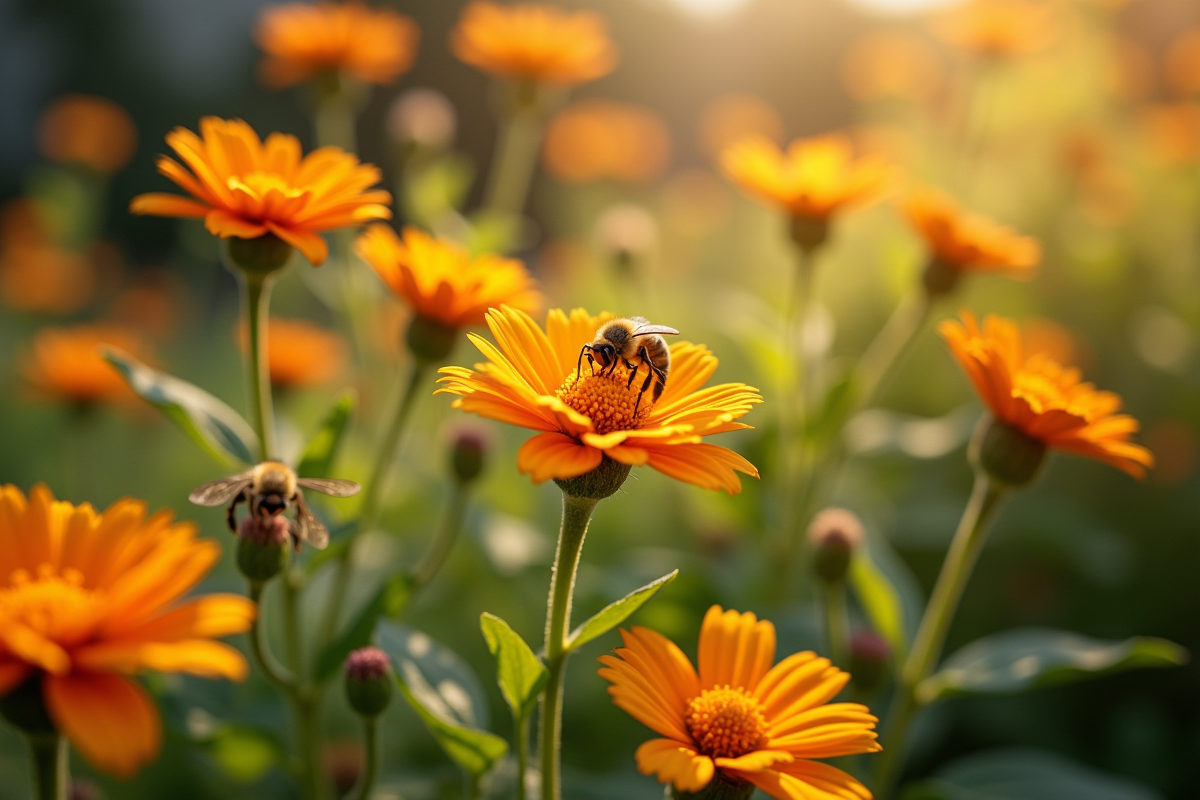
Recognizing useful and harmful species for a balanced garden
In the garden, every nook hides a story between plants and insects. Taking the time to observe is already a step towards understanding. Beneficial insects settle on leaves, flowers, and sometimes even underground. Their action is noticeable through the natural predation of pests, but also in the pollination that ensures the richness of crops and plant diversity.
Here are some allies to recognize without hesitation:
- Ladybugs and their larvae, true protectors, roam young stems and the undersides of leaves in search of aphids.
- Hoverflies, often mistaken for bees, move from flower to flower and boost the productivity of the vegetable garden.
- Ground beetles, which sneak under wood piles or into the soil, limit the presence of slugs and other small nuisances.
Other garden visitors pose more problems. The damage is visible: torn leaves, galleries in stems, swarms of flies near water points, all signs that crops are under pressure from pests. Fungus gnats thrive in moisture, while several larvae discreetly attack roots, undermining the vigor of the vegetable garden.
Knowing how to recognize each species allows for adjustments in gardening practices: alternating crops, reducing the use of chemical products in favor of pheromone traps, or preserving water points to encourage the presence of allied wildlife. With each season, attention to this diversity shapes a resilient garden, capable of weathering the surprises of nature.