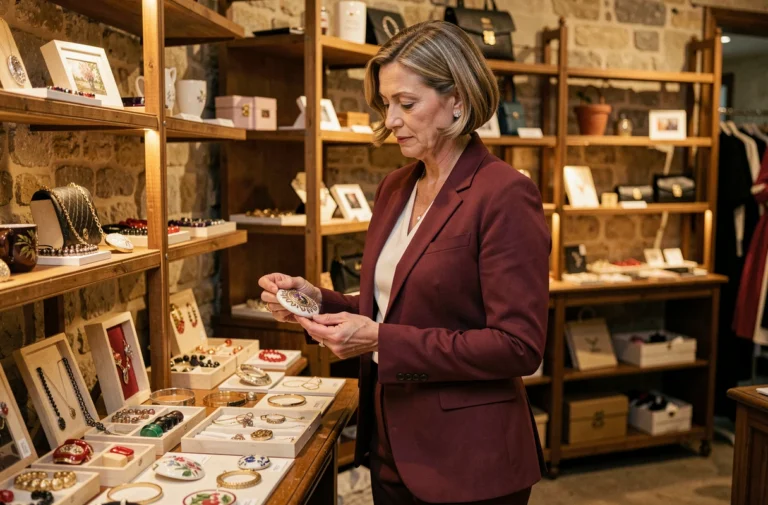
The autumn-winter 2026 fashion shows confirmed a shift that shoppers are already noticing in stores: collections are shortening, materials are changing, and European regulations are starting to impact what arrives on the shelves. Behind the color inspirations and silhouette advice, women’s fashion is going through a transitional period where everyday style is also negotiated with new constraints.
Ban on the destruction of unsold textiles: what changes for shoppers
Since July 19, 2026, large companies operating in the European Union can no longer destroy certain unsold clothing, accessories, and shoes, except for exceptions regulated by the legislation. Affected companies must now report annually the volumes destroyed, their reasons, and the reuse or recycling solutions considered.
For shoppers, this measure has a concrete effect on the offer: brands that previously produced extensively “just in case” are rethinking their volumes. Some retailers are reducing the number of references per season. Others are extending the commercial lifespan of their pieces by delaying sales or offering end-of-line items through parallel channels.
The visible result in stores is a sometimes more limited choice, but pieces that remain available longer. In terms of everyday looks, this may encourage investing in wearable clothing for several seasons rather than in strong trends that disappear in a few weeks. The women’s fashion inspirations found on the Quand Je Serai Grande women’s fashion site illustrate this logic of a sustainable wardrobe, with pieces designed to combine over time.
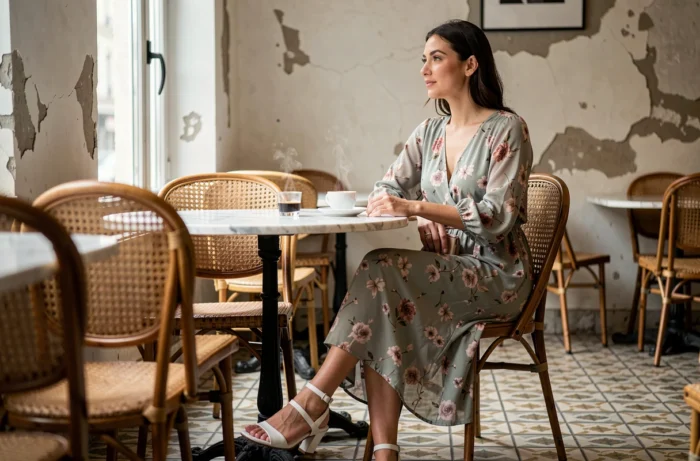
Digital passport for clothing: a future criterion for women’s fashion choices
Textiles and clothing are among the priority groups of the European work plan 2025-2030 on the digital product passport. The specific regulatory act is expected in the third or fourth quarter of 2027, with a transition period of at least 18 months. Clothing could therefore be affected as early as 2029, according to the timeline announced by Fairlygreen in September 2026.
This digital passport should provide information on fiber composition, origin, chemical compliance, durability, repairability, and end-of-life of the product. For a shopper looking to enhance her look without renewing her wardrobe every season, this information would be game-changing.
What the digital passport could change in your purchases
- The exact composition of materials would allow for comparison between two visually identical sweaters but with very different durability, guiding the choice towards fibers that last several winters.
- The repairability index would indicate whether a dress or coat can be easily altered, a criterion rarely displayed today that affects the longevity of a piece.
- End-of-life data would indicate whether the garment is recyclable or compostable, which could become a style argument as much as a conscious one: wearing a garment whose complete cycle is known changes the relationship to trends.
The available data does not yet allow for measuring the real impact on prices or on the in-store offer. The timeline remains subject to adjustments, and field feedback varies on the ability of small brands to comply within the deadlines.
Women’s fashion trends autumn-winter 2026: materials and cuts to watch
Beyond the regulatory framework, the runways and collections available in stores outline some key lines for the season. Pink, in all its shades, has remained present since spring and is settling into autumn wardrobes in more muted forms (dusty pink, powder pink on thick knits).
Pastel tones, which dominated spring-summer, are gradually giving way to deeper colors. However, oversized cuts maintain their place in wardrobes, particularly on sweaters and short jackets. The barrel jeans, wide and slightly tapered at the bottom, continue to prevail over skinny styles.
Materials and sustainability: an increasingly direct link
The most structuring women’s fashion trend is not a color or a cut, but a change in the relationship to materials. Collections anticipating the future digital passport highlight traceable fibers and weaves that facilitate repair.
In practical terms, this translates to:
- Denser knits on sweaters, designed to resist pilling over several seasons rather than to display a low entry price.
- Removable linings on certain coats, allowing the piece to be adapted for mid-season and to replace the lining without changing the garment.
- Labels detailing care and repair instructions, where many brands previously limited themselves to a washing pictogram.
Choosing a material suited to daily life remains the most cost-effective style advice: a garment that wrinkles little, washes easily, and retains its shape enhances any silhouette far more than a trendy but fragile piece.

Building an everyday look around durable pieces
The most useful women’s fashion advice in 2026 does not focus on the latest color to adopt, but on how to assemble pieces that work together over several seasons. A wardrobe tightened around well-crafted cuts (a good straight pant, a structured jacket, two or three tops in complementary shades) allows for varying looks without multiplying purchases.
Body shape remains the primary filter for choice, before trends. A barrel cut will flatter some silhouettes and unbalance others. Testing a piece in motion (sitting, walking, raising arms) provides more information than a mirror in a fitting room.
The real change of this period lies in the convergence between style and traceability. Shoppers interested in materials, origin, and repairability of their clothing do not compromise on elegance. They build a wardrobe where each piece has a reason to be worn, and this is probably the most sustainable women’s fashion trend there is.