A decree, an electronic signature, and the game is not over. Teleconsultation in speech therapy in France is not just a simple improvised video call. Behind each remote session lies a rigorous mechanism: explicit consent from the patient, approved platforms, and strict confidentiality. The Health Insurance only ventures onto secure ground: only acts performed via certified tools are eligible for reimbursement. For certain profiles, such as those with severe pathologies or complex disabilities, the process is eased. Others, on the contrary, find their access restricted, with remote options remaining limited.
Health authorities do not ease the pressure. The latest texts: renewed requirements on the quality of remote care, expected technical standards, and vigilance regarding traceability. Yet, despite this solid framework, a doubt remains: does teleconsultation in speech therapy truly fulfill the promise of simpler access and maintained effectiveness for everyone?
Teleconsultation in speech therapy: what are we really talking about?
Teleconsultation in speech therapy is part of the telemedicine and telecare ecosystem. It encompasses all acts performed remotely by a qualified speech therapist using secure digital tools. Forget about simple video discussions: this involves online assessments, regular follow-ups, and adjustments to protocols that take into account time, location, or even mobility constraints. The COVID-19 episode accelerated the transition: where some saw a backup solution, the practice established itself, revealing its strengths and tensions.
For those living far from a practice or struggling to travel, teleconsultation reshuffles the cards. New bridges are built between patients and speech therapists. The teleconsultation in speech therapy on Santé Quotidienne is one example: obtaining an opinion, a diagnosis, or organizing a follow-up becomes possible without stepping out the door. Children with language disorders, adults with regular needs: all can benefit from this digital shift.
However, there is no question of moving everything online. Remote consultation complements in-person visits without systematically replacing them. Certain assessments, particularly for written language disorders or DYS disorders, find their place remotely, provided they rely on suitable tools and validated protocols. Confidentiality, traceability: nothing is left to chance. Health Insurance or mutual insurance covers these acts if the care pathway and regulatory framework are respected, without preferential treatment or downgrading.
The challenge: to offer more accessibility without compromising quality. For professionals, teleconsultation allows them to maintain the connection, ensure continuity of care, and respond to the shortage of specialists in certain areas. This mode of practice, far from being anecdotal, leads to a profound transformation in speech therapy management.
How does a remote session unfold: steps, tools, and practical advice
A remote consultation is not improvised. First and foremost, the speech therapist ensures that the care pathway is respected and that the consent of the patient, or their parents if it concerns a child, is properly recorded. The technical foundation is essential: a computer with a camera, operational microphone, and stable internet connection. Approved platforms, calibrated for online speech assessments, protect exchanges and provide access to all necessary materials.
The flow of a session generally follows several key moments:
- Welcoming and building trust,
- Targeted assessment or follow-up,
- Feedback and personalized advice.
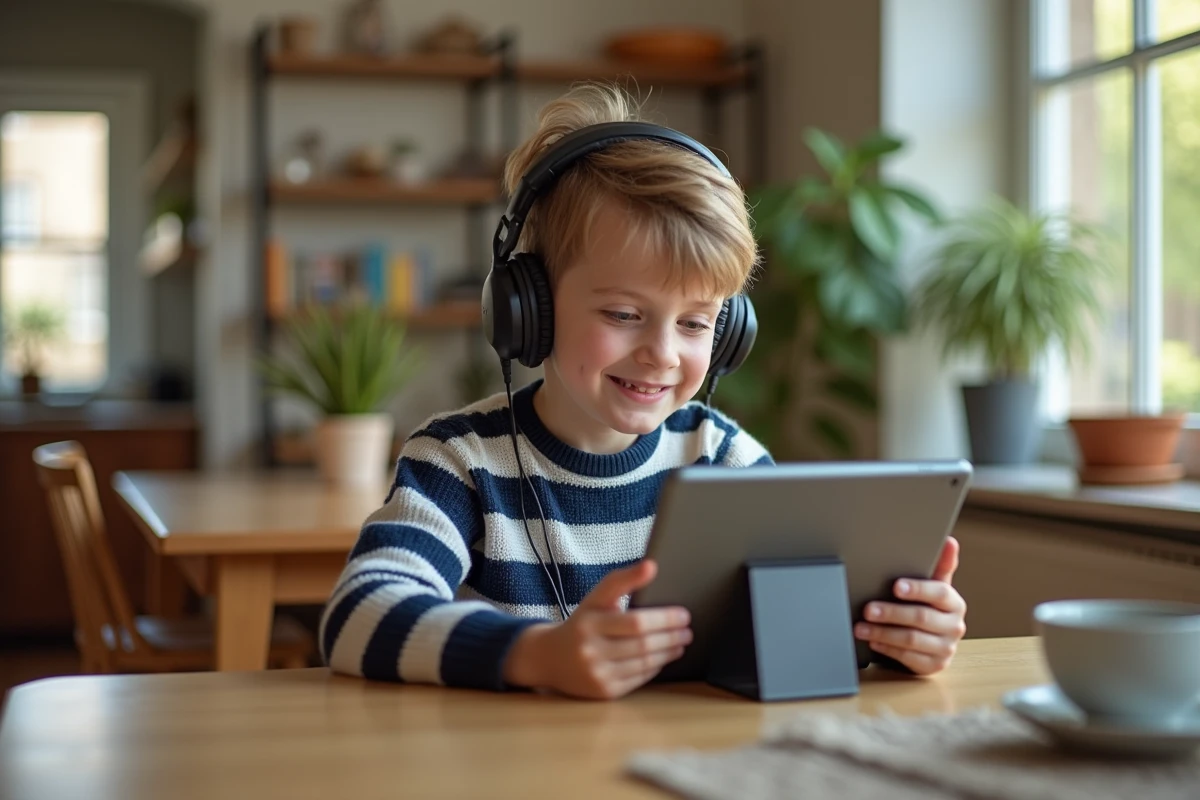
Depending on needs, the speech therapist adjusts their tools: screen sharing, online exercises, parental guidance. For children, the presence of a parent or a referring professional helps secure the session. A graphics tablet can broaden the scope of action, especially for written language or DYS disorders.
Payment is made remotely, usually by bank transfer or check. Once the session is completed, a report or materials are sent via the secure platform. This way, continuity of care is organized, with more flexible hours and easier access, particularly for those living far away or facing difficulties in traveling.
Advantages, limitations, and situations where teleconsultation can make a difference
Teleconsultation in speech therapy questions care habits. It expands possibilities for speech therapists, with advantages that change daily life:
- Continuity of care,
- Reduction of travel time,
- Flexible scheduling.
Accessing one’s speech therapist from home, another secure location, or even while traveling abroad: the geographical barrier falls. This format particularly meets the needs of patients in medical deserts, those with reduced mobility, or expatriates, for whom physical consultation remains out of reach.
Some profiles fully benefit from remote options. For the anxious child, the DYS adolescent, or the young adult with ADHD, teleconsultation offers a less stressful, more flexible environment. The online speech assessment then becomes a lever for accessing care, allowing for regular follow-ups, even at a distance.
But let’s be realistic: the virtual cannot replace everything. Some diagnoses or follow-ups require physical contact, such as for swallowing disorders or complex situations. If technical equipment is lacking, or if the connection falters, effectiveness diminishes. And the absence of human contact can weigh on the therapeutic relationship, just as digital fatigue can affect the speech therapist.
To better understand the strengths and limitations, here are concrete examples of situations encountered:
- Favorable cases: remote follow-up of DYS children, expatriate patients, residents of under-resourced areas.
- Limitations to consider: oro-facial motor disorders, complex situations, technical difficulties, or issues with digital adherence.
Teleconsultation in speech therapy has opened a breach: that of care that circulates, adapts, but does not standardize. It is not the end of the practice, nor the advent of a contactless practice. It is now a choice, an additional possibility to move forward, despite distances and daily constraints. The question is no longer whether this model will last, but how it will continue to transform the landscape of care for every patient at every stage of their life.