A fashion accessory is any item added to an outfit that is not its main piece but changes how it looks. Belts, jewelry, bags, scarves, or statement shoes: each category affects a specific aspect of the silhouette, whether proportions, color, or texture. Understanding how these elements work makes it easier to choose with purpose rather than accumulate pieces at random.
Proportions and silhouette: the belt’s defining role
The belt is the only accessory that directly changes the body’s perceived proportions. Worn at the natural waist, it creates a visual break between the torso and hips, making the silhouette appear longer. With a flowing dress or an oversized blazer, a belt shifts the outfit’s center of gravity.
Width matters just as much as placement. A slim leather belt blends into a dressy look without weighing down the line, while a wide style adds more structure and works better with casual outfits or dresses without darts.
Three criteria can help you narrow down your options when choosing a belt that works with several outfits, whether you’re browsing FashionUp accessories or any other catalog:
- Material: full-grain leather ages better and can be repaired. This is worth considering alongside the Refashion repair bonus, which helps cover the cost of having items repaired by certified professionals in France.
- Buckle: a simple style (single-prong or flat buckle) works with a variety of looks, while an ornamental buckle calls for a specific aesthetic.
- Color: black, cognac, and navy work with most shoe and bag combinations.
Jewelry and headwear: play with light and draw the eye
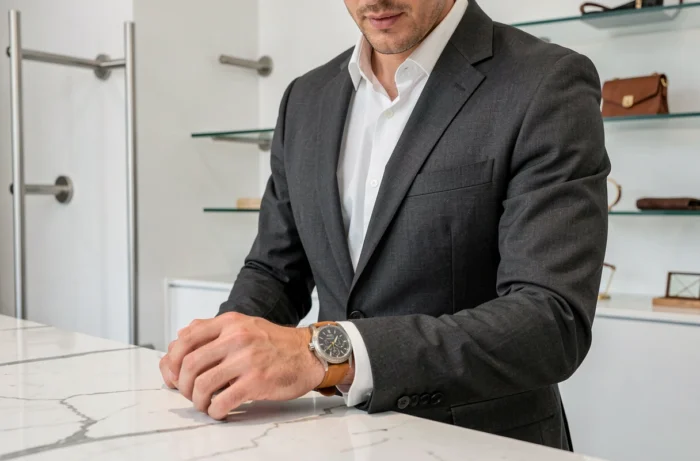
Jewelry acts as a highlight, drawing the eye to a particular area of the body. Earrings bring attention to the face. A choker opens up the neckline. A bracelet adds movement to your gestures. The effect comes from the contrast between the metal (or stone) and the surrounding fabric.
Layer without overdoing it
Layering necklaces or bracelets of different lengths adds visual depth. To avoid a cluttered look, one dominant metal per outfit is enough to keep things cohesive. Gold warms up autumnal shades and cream fabrics, while silver works better with cool palettes and black.
Often overlooked, a brooch can turn a blazer lapel or shirt collar into a focal point. It’s one of the few pieces of jewelry that works just as well for eveningwear as it does for the office, as long as its size suits the occasion.
Scarves and hats: texture and volume
A scarf adds texture without bulk. Tied around the neck, it fills in a neckline that feels too open. Worn as a headband, it shapes a hairstyle while adding color near the face. A silk scarf creates a color link between the top and bottom of an outfit.
A hat changes the proportions of the head in relation to the shoulders. A wide-brimmed style suits long, lean silhouettes, while a beret or compact bucket hat balances out a broader torso.
Bags and shoes: accessories that anchor your style
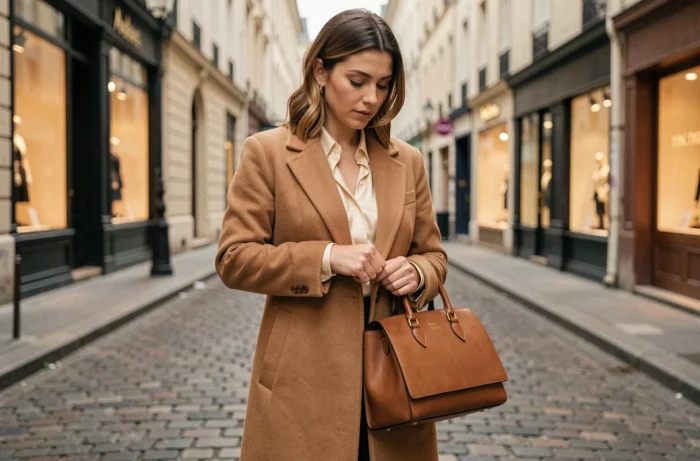
Handbags and shoes are the two most visible pieces in an outfit because they sit at opposite ends of the visual field. A structured, rigid leather bag gives a simple dress a more formal feel. A soft canvas or suede style instantly dresses down a polished outfit.
The size of the bag should contrast with your stature: a small style (such as a clutch or compact crossbody bag) complements a taller silhouette, while a medium-sized bag avoids overwhelming a petite frame.
Shoes: the finishing touch
Shoes are often the first thing people notice in a complete outfit. Black leather pumps work for both evening occasions and office looks. Block-heeled ankle boots add presence without sacrificing comfort. Heel height affects your posture—and, in turn, the entire line of your silhouette.
If a pair of statement shoes starts to show signs of wear, having them repaired by a Refashion-certified professional costs less than replacing them, thanks to a discount deducted directly from the bill. Repairing a quality pair extends the life of your wardrobe investment instead of starting the selection process all over again.

Durability and warranty: what to consider when choosing fashion accessories
Since July 2026, large companies in the European Union have no longer been allowed to destroy unsold clothing, fashion accessories, or shoes, except in limited circumstances. This measure encourages reuse and donations, which means the secondhand market should see more quality pieces become available.
From September 2026, sellers of clothing, textiles, shoes, and accessories in the EU must display standardized information about the legal guarantee, both in stores and online. The guarantee is becoming a comparison point as easy to assess as price or material.
These two regulatory changes are reshaping how we evaluate accessories. A leather bag with a longer warranty or a repairable belt is no longer a luxury but a simple calculation: cost per year of use. Choosing an accessory that lasts also means choosing one that elevates your outfits for longer.
The final takeaway is the most practical one: a well-chosen accessory doesn’t draw attention to itself, but to the effect it has on the overall look. The outfit appears more polished, the silhouette more defined, and the style more confident—even if the observer can’t always pinpoint why.