
Since January 2024, the numbering of channels on TNT is set to undergo its first major overhaul in over fifteen years. The Superior Council of Audiovisual has approved the arrival of several new players and the disappearance of certain local frequencies. This reorganization comes as discussions with cable operators intensify around the sharing of broadcasting rights and the space reserved for digital offerings.
The upcoming decisions will change access to traditional channels and impact the visibility of certain historic brands. Viewers equipped with old installations will need to adapt to a new audiovisual landscape.
What’s changing on TNT: new channels, numbering, and stakes for viewers
The TNT is about to turn a page. Arcom has made its choice: France will only have 31 national channels on TNT, redistributed according to a new numbering that will take effect on June 6, 2025. Two iconic channels are leaving the scene: C8 and NRJ 12 are taking their bow, making way for LCP / Public Sénat on channel 8 and Gulli on channel 12. No more debates or youth programs on these channels for now; you’ll have to look elsewhere, at least on free TNT.
The withdrawal of Canal+ and its pay channels (Canal+ Cinema, Canal+ Sport, Planète) continues the trend. From now on, the channels of the France Télévisions group will be grouped on channels 2 to 5, while continuous news aligns from 13 to 16. France 4 now takes channel 4, embodying the desire to strengthen the presence of public service. And for the first time, two new entrants are settling in: CMI TV (T18) and Ouest France TV (NOVO19), respectively on channels 18 and 19. The ambitions are clear: on T18, Laurent Ruquier will host a cultural show, while NOVO19 bets on a strong regional identity.
For many, it will be necessary to abandon well-established habits. Most televisions will automatically update the channel list, but some will need to restart a manual search, or risk seeing the famous error télé Z not received, a message that opens the door to the question: Télé Z not received: what to do if your TV program is no longer distributed? – Info 11. While national coverage remains high (97% of the population), the reality of reception and loyalty to channels disrupts everyone’s benchmarks. The audiovisual sector, for its part, continues to reorganize, caught between industrial strategies and institutional decisions.
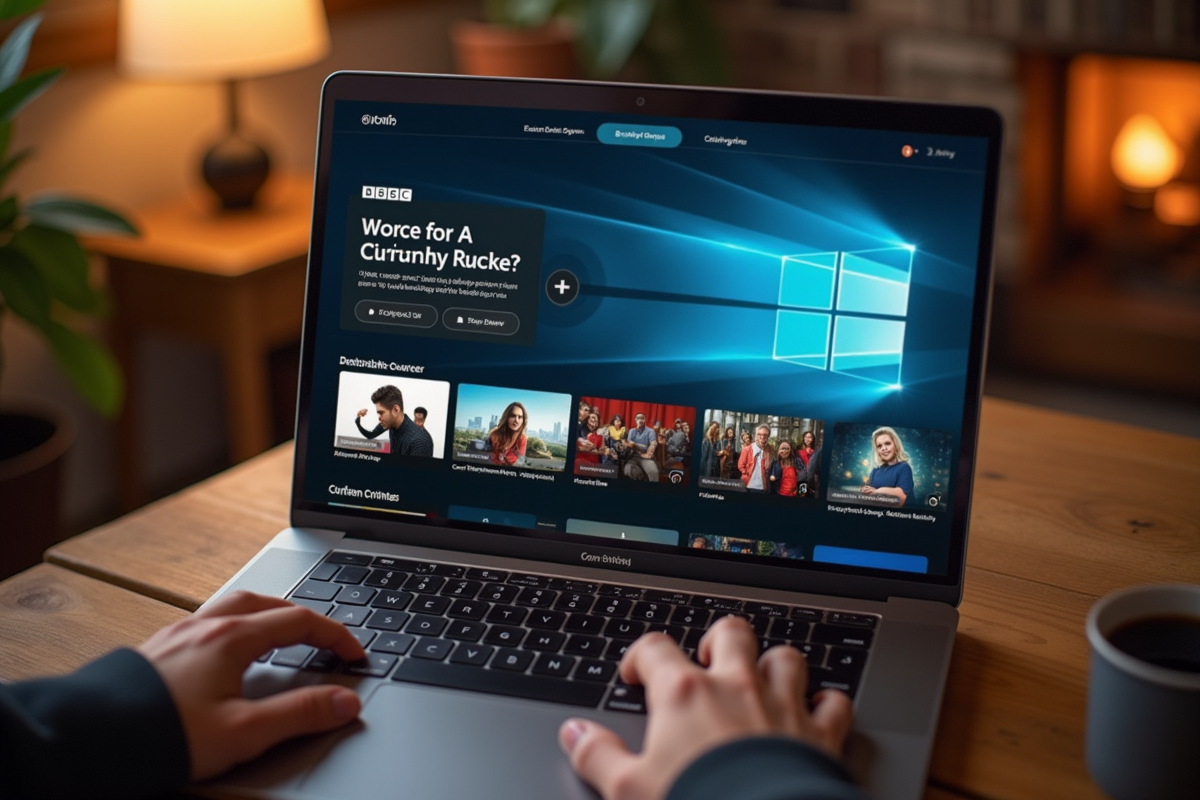
What alternatives when your favorite channel disappears or transforms?
When a channel disappears, it is no longer the disaster it would have been a few years ago. Options have multiplied thanks to streaming and connected devices. Smart TVs open the door to a host of applications accessible without going through a traditional TV box. And if your television is not cutting-edge? A Google Chromecast, Apple TV 4K, Amazon Fire TV Stick, or Xiaomi Mi Box is enough to turn any screen into a digital hub: movies, series, sports, general or specialized programs, everything becomes accessible in just a few clicks.
Here are some concrete alternatives now available to you:
- Internet connection takes the top spot for receiving programs, relegating the antenna to the background.
- Game consoles like Xbox or PlayStation also integrate TV applications, blending digital leisure and traditional television.
The major operators (Orange, Sosh, Bouygues Telecom, Free, SFR, RED by SFR) are betting on their own applications and packages, available on most devices. This diversity of offerings allows you to find some of the lost shows, sometimes live, sometimes on replay. But choices must be made: free but partial access, or subscription to fully enjoy the catalogs offered.
Today, the user navigates through a multitude of functions: intuitive interface, richness of content, compatibility with home devices, speed of access… This new reality imposes a choice: multiply services or refocus on a few reliable platforms that suit one’s desires. Each person can thus compose their own audiovisual palette, even if it means definitively turning the page on the television of yesteryear.